Planning a Confident First Visit and Ongoing Care for Kids’ Smiles
Start by mapping your child’s dental timeline with simple milestones that fit your family’s routine. In practice, parents can set a first visit soon after the first tooth appears, then schedule regular check-ins to track growth and habits. Early appointments allow the team to assess brushing technique, diet patterns, and any areas that may need extra attention, establishing a steady foundation before school and activity schedules get busy.
Meanwhile, think through the goals for preventive care and how they align with everyday habits at home. Dental Prevention and Education for Children places emphasis on small, repeatable actions: brushing with fluoride toothpaste, flossing where teeth touch, and choosing snacks that minimize sugar exposure. When these steps become predictable, children gain confidence and are more likely to cooperate during visits, reducing surprises and reinforcing positive experiences.
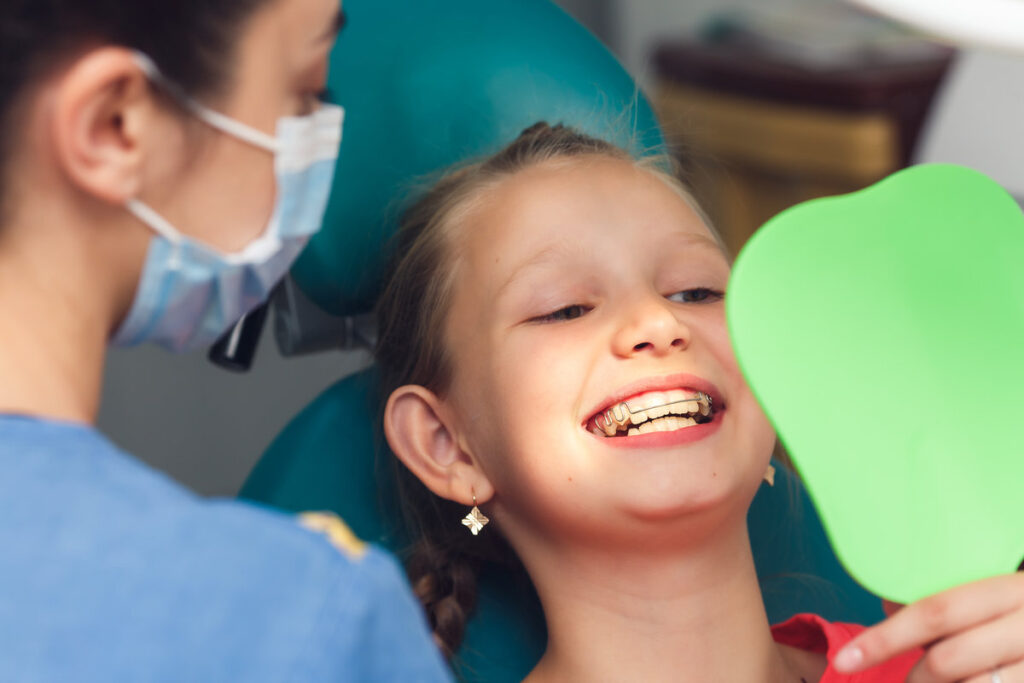
Beyond that, consider how developmental timing influences choices around EARLY ORTHODONTICS. Subtle spacing or crowding can be observed while baby teeth are present, providing a window to guide jaw growth and bite function. A dentist may monitor patterns over several visits, adjusting recommendations as the child matures. This phased approach helps families understand options without feeling rushed, and it often simplifies future treatment decisions.
However, emergencies do arise, and it helps to have a simple playbook. Save the office number, know basic first-aid steps for a knocked tooth or toothache, and verify how after-hours guidance works. Emergency Dental Treatment for Children focuses on stabilizing discomfort and protecting developing structures. When families rehearse these details in advance, they can respond calmly and help the child feel safe while professional care is arranged.
Often, imaging supports accurate diagnosis and careful planning. A Pediatric Dentist Dental X-ray is chosen thoughtfully, calibrated to a child’s size, and used only when it adds meaningful information. Clinicians review growth, tooth positions, and areas not visible to the eye, then document findings in a way that parents can understand. This clarity strengthens shared decision-making and keeps the long-term plan transparent and adaptable.
Then, preventive therapies can be tailored to the child’s cavity risk and comfort level. Fluoride Treatment for Children may be recommended to reinforce enamel, especially for kids with frequent snacking or early signs of weakening. Paired with sealant discussions and regular cleanings, these visits refine daily routines and verify that progress is on track. As habits improve, many families notice fewer surprises and smoother checkups.
Next, think about activity-related protection. Mouth Guards play a practical role for contact sports and even some recreational activities. A proper fit distributes impact forces and can buffer against dental injuries that disrupt school and family schedules. Parents can ask about timing, fit checks as teeth erupt, and care instructions to maintain durability. Replacements may be needed as the child grows or transitions between sports seasons.
Additionally, some children benefit from extra support to ease anxiety or manage complex procedures. Children’s Sedation Dentistry is considered with caution, after reviewing medical history and confirming the clinical need. The care team explains options, monitors closely, and aligns the plan with the least invasive approach that still achieves the goal. Families should ask questions, validate instructions, and prepare recovery spaces at home for a smooth experience afterward.
Moreover, kids with Special Needs deserve a thoughtful, individualized roadmap. Sensory preferences, communication methods, and scheduling considerations are documented so each visit feels predictable. Caregivers can stage practice runs, bring comfort items, and work with the office to phase longer appointments into manageable segments. These steps help maintain trust, reduce stress, and ensure that oral health goals remain achievable over time.
Finally, build a simple yearly checklist to maintain momentum. Verify recall dates, renew consent forms, update medical histories, and inspect home supplies like brushes and floss. Parents can also review dietary patterns after holidays or sports seasons, then adjust routines as needed. With these steady habits in place, children learn that dental care is a normal, supportive part of growing up that protects their smile and overall wellbeing.